The greatest logistical trap of Friday evening travel out of the Puget Sound urban core is the dreaded Anacortes ferry terminal vehicle line. To secure a true weekend state of mind without losing four hours to idling car queues, you must execute a tactical escape plan that utilizes passenger ferry walk-on strategies or timed evening departures toward Orcas or San Juan Island.
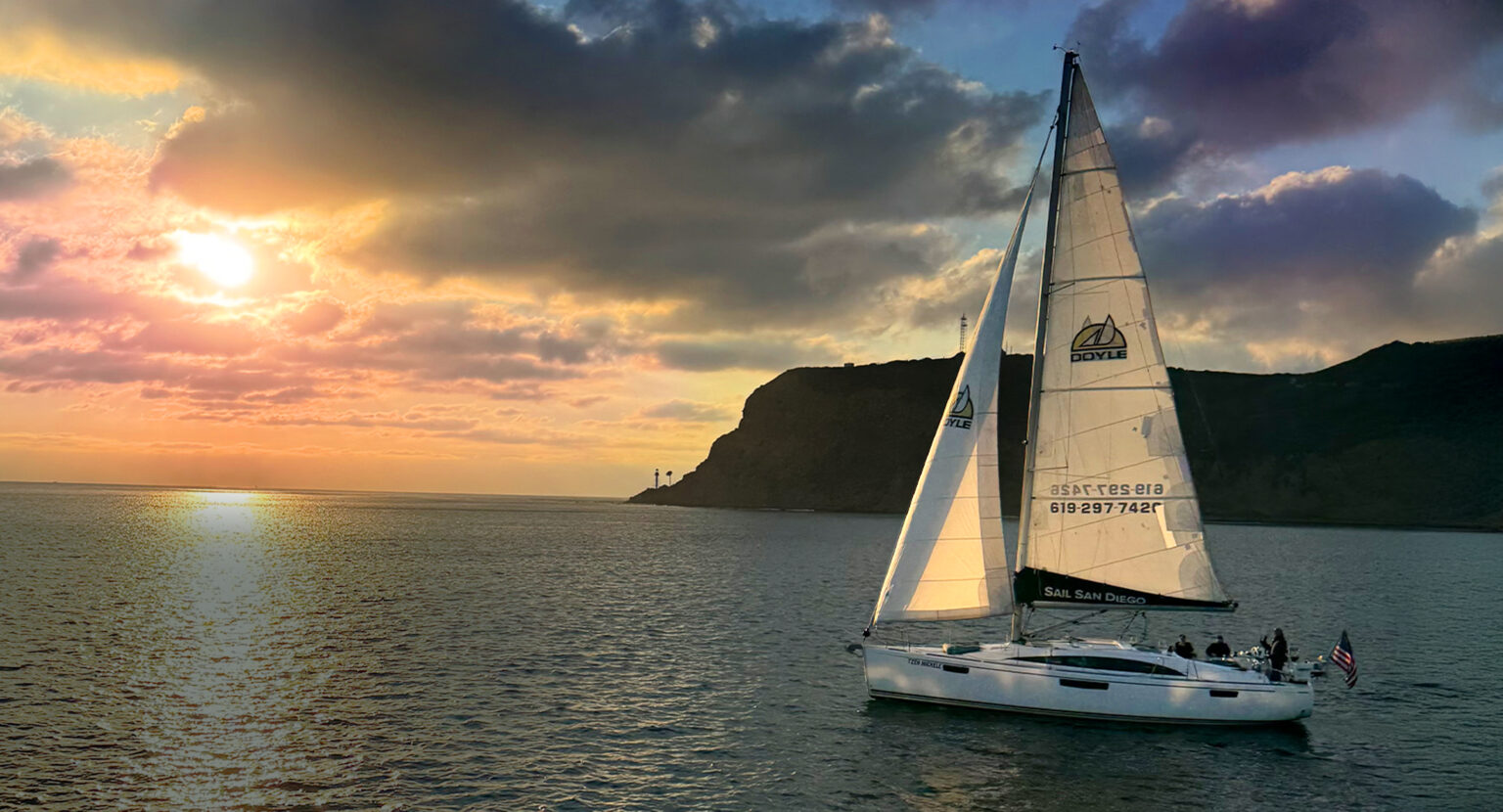
6:00 PM — Exit your office and make your way north via I-5 toward the Anacortes terminal, timing your arrival to bypass the bulk of the afternoon commuter surge. Drive your vehicle straight onto the open-air vehicle deck of the late-afternoon inter-island ferry as the low sun casts a golden glow across the water.
7:15 PM — Step out onto the outer observation deck as the salt-heavy Salish Sea breeze catches your jacket. The jagged silhouettes of the surrounding islands frame the western horizon, glowing in brilliant shades of amber and violet. This nautical crossing acts as an absolute psychological barrier, cutting off professional responsibilities entirely.
8:30 PM — Dock on Orcas Island and drive up winding forest lanes to a restored shingle-style boutique lodge overlooking Eastsound. Settle onto the weathered cedar deck for a late dinner of locally harvested oysters and crisp Washington Sauvignon Blanc, lulled by the quiet rustling of towering Douglas firs.
A rhythm, not a checklist
A good weekend in San Juan Islands, Washington has a loose rhythm: arrival, attention, appetite, and rest. That might mean taking a long look at the neighborhood before choosing where to eat, or allowing the landscape to decide how far you walk. The point is not to complete every suggestion. It is to create enough spaciousness that one unplanned detail can become the memory you carry home.
The details that make it feel easy
Pack for the version of the day you hope to have, not the one the forecast promises. Bring one comfortable layer, water, a small notebook, and shoes you can trust. Confirm current hours, reservations, ferry schedules, trail conditions, and access requirements before leaving. Local businesses and public lands change with seasons and weather; this guide is a source of inspiration rather than a promise of availability.
Leave a little room around the plan
The luxury of a short escape is not how much you can fit inside it. It is the ability to stay with a good view for ten extra minutes, to order dessert because the room feels welcoming, or to turn back when the rain becomes part of the experience. Let the day have soft edges. When you return to Seattle, the reset will feel more complete because it was never a performance.
Make the first meal part of the story
Food is often the first way a new place becomes familiar. Look for a room with its own point of view, whether that means a counter near a bakery oven, a table facing the water, or a small dining room where the menu follows the farms and tides. Order something you would not make at home, then stay long enough for the pace of the room to settle around you. A memorable meal does not need to be elaborate. It needs to feel connected to where you are.
Choose one beautiful detour
A restorative itinerary benefits from one decision made for no practical reason. Take the road with the wider view, stop at the garden, browse the shop with a handwritten sign, or walk an extra block because the light has changed. These detours are not distractions from the plan; they are the part that makes the plan yours. Keep the rest of the day open enough to recognize the invitation when it arrives.
Let the landscape set the volume
Seattle weekends become richer when we pay attention to the volume of a place. The ferry is not just transportation; it is a moving room with weather on every side. A forest trail is not only a route to a viewpoint; it is a sequence of textures, bird calls, and small shifts in temperature. In a neighborhood, the quiet street behind the main avenue can tell you as much as the landmark. Notice those changes, and the destination will start to feel personal.
A gentler way home
Before you leave, write down one sensation you want to remember: cedar warming in the air, a ferry wake opening behind you, the sound of water over stone, or the first blue hour appearing between the trees. These small anchors make the return less abrupt. The city will still be there, but you will meet it with a little more capacity, and perhaps a new idea for next weekend.
Places and opening details can change. Please check directly with the venue, ferry operator, park service, or host before setting out. Travel gently, leave no trace, and make space for the people who call these places home.